
Introduction
Understanding AI and Machine Learning in Grocery Delivery Apps
Artificial Intelligence (AI)
Machine Learning (ML)
How Are AI and Machine Learning Transforming Grocery Delivery Apps?
Personalised Shopping Experience
Smart Inventory Management
Optimised Delivery Routes
Demand Forecasting
Automated Customer Support
Fraud Detection and Security
Dynamic Pricing Models
Real Case Studies: AI in Action in Grocery Delivery
Instacart: Personalised Recommendations and Efficient Deliveries
Ocado: AI-Driven Warehouse Automation
Walmart: Accurate Demand Forecasting
Zomato: Optimising Delivery Times with AI
The Future of AI and Machine Learning in Grocery Delivery Apps
Autonomous Deliveries
Virtual Shopping Experiences
Smart IoT Integrations
Hyper-Personalisation
Conclusion
Latest News
MCP Security Risks: What Happens When AI Accesses Business Tools?
AI Agent Development Guide: How Businesses Can Build Secure and Scalable AI Agents

How to Choose the Right Software Development Partner in the UK
AI Agent Security: 5 Actions That Should Require Human Approval
AWS Cloud Cost Optimization: 12 Ways to Reduce Spending Without Increasing Risk
Enterprise AI Implementation: A Practical Guide from Strategy to Production
How to Build a Scalable SaaS Application: 7-Step Guide
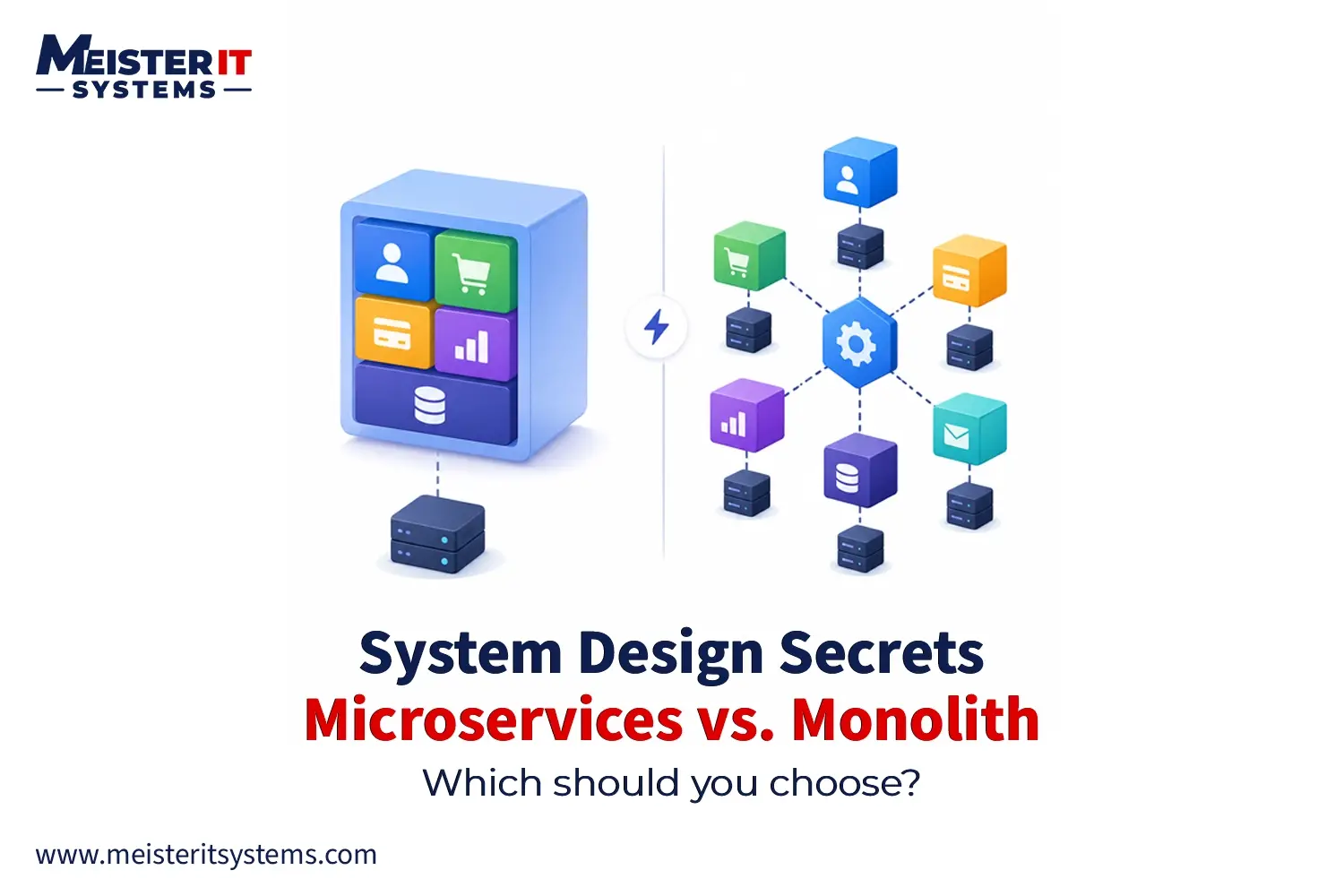
Microservices vs. Monolithic Architecture: Which Should You Choose?
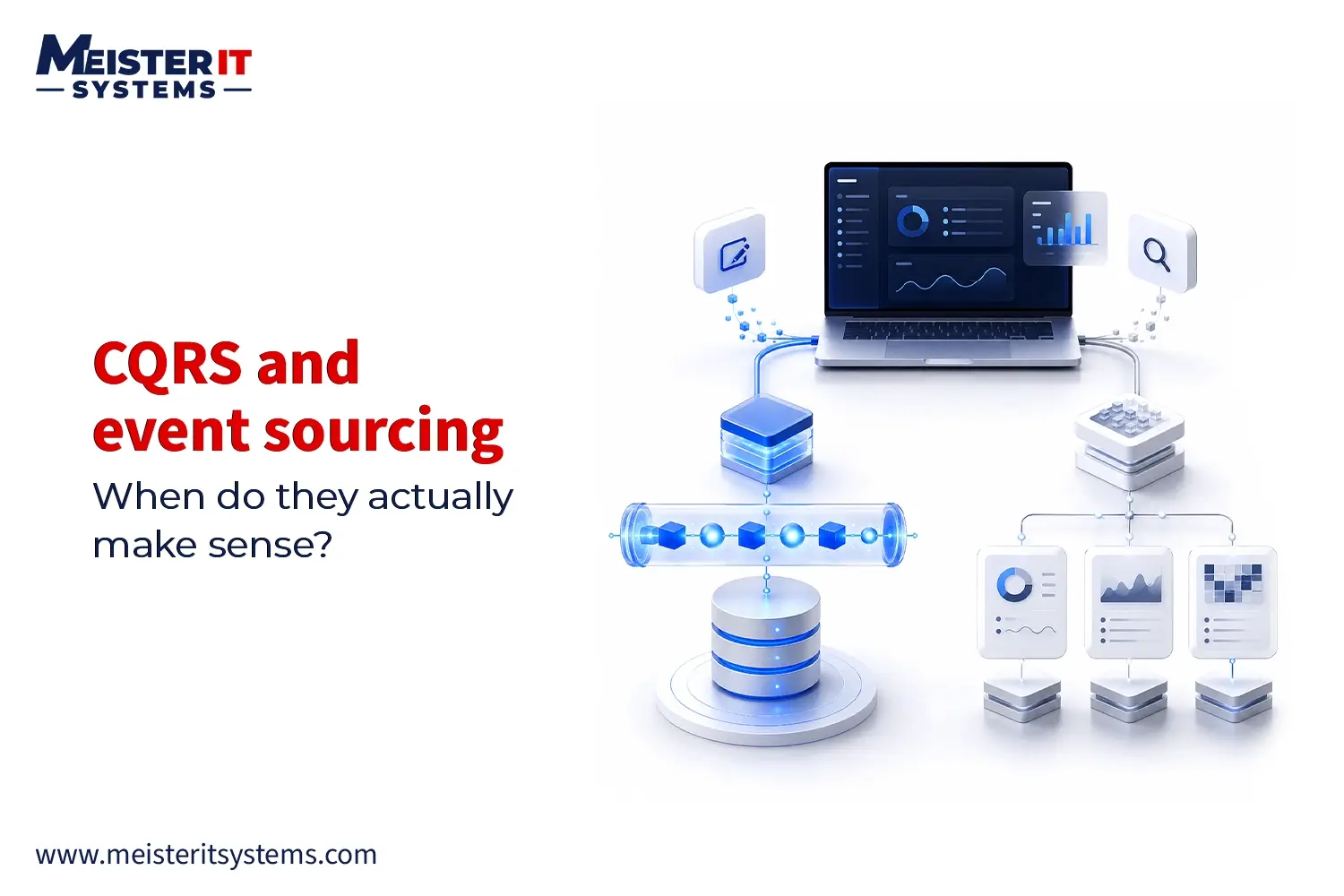
CQRS and Event Sourcing: When Do They Actually Make Sense?
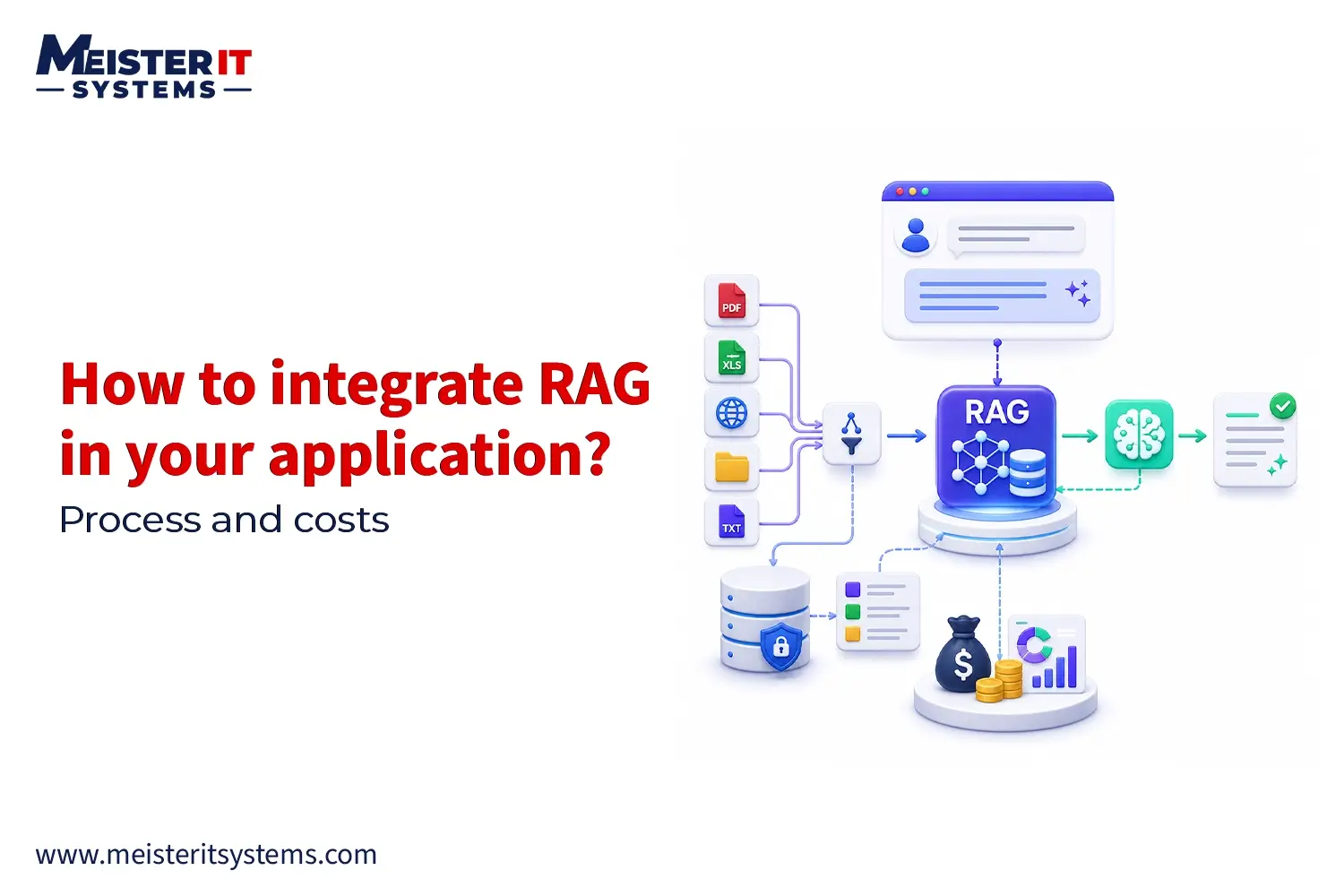
How to Integrate RAG in Your Application: Process, Architecture, and Cost Breakdown
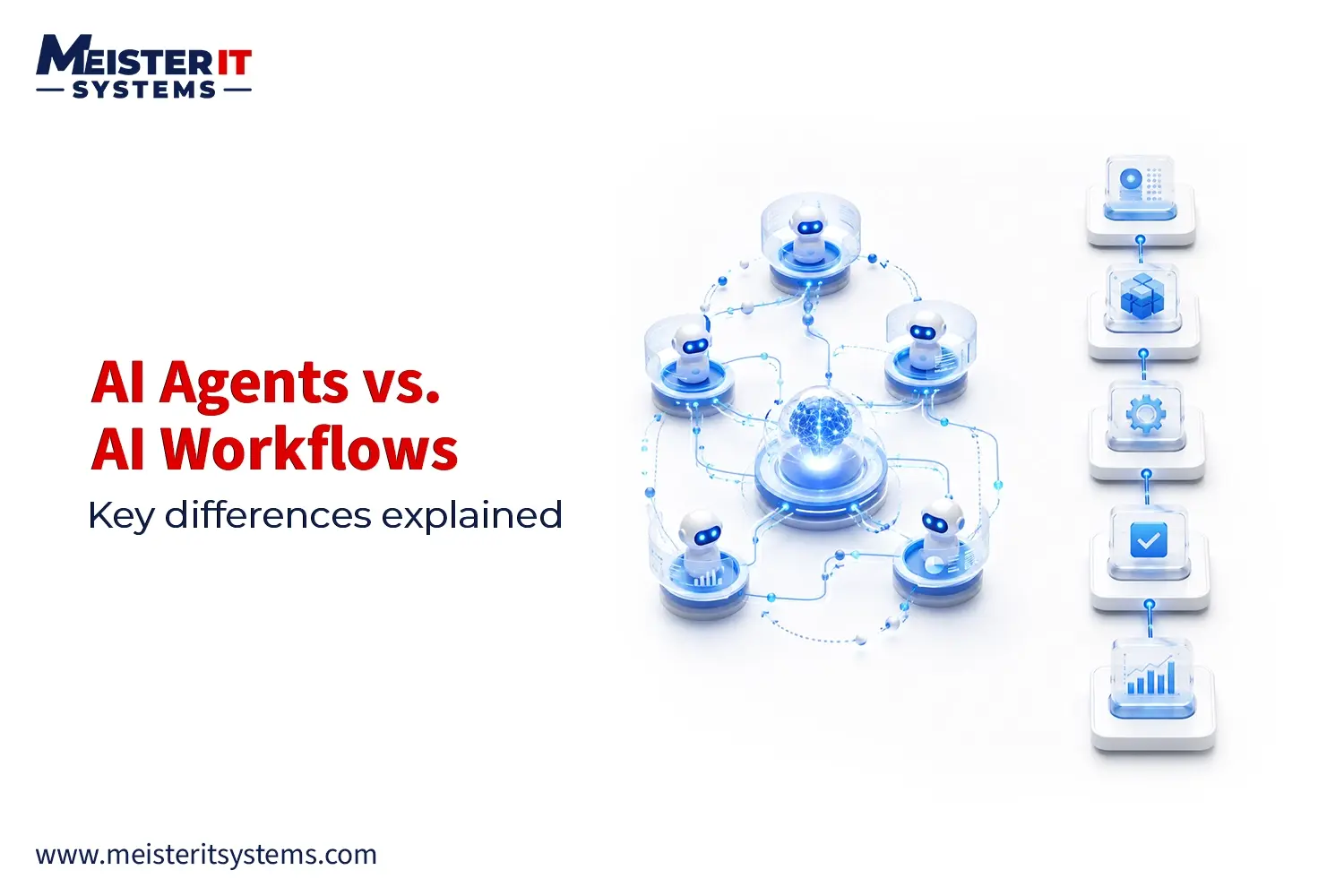
AI Agents vs AI Workflows: Key Differences Explained
What is Retrieval-Augmented Generation (RAG) and why does your business need it?
10 DevOps Practices That Reduce Downtime and Improve Business Continuity
Next.js App Router in 2026: Is It Ready for Production?
Top 12 AI Security Threats in 2026 and How Businesses Can Prevent Them
Terraform vs Pulumi: A Real Comparison for Production Infrastructure
NHS Login Integration: Guide to UK Healthtech Authentication
Top 7 AI-Powered CRM Platforms with Chatbot Integration in 2026